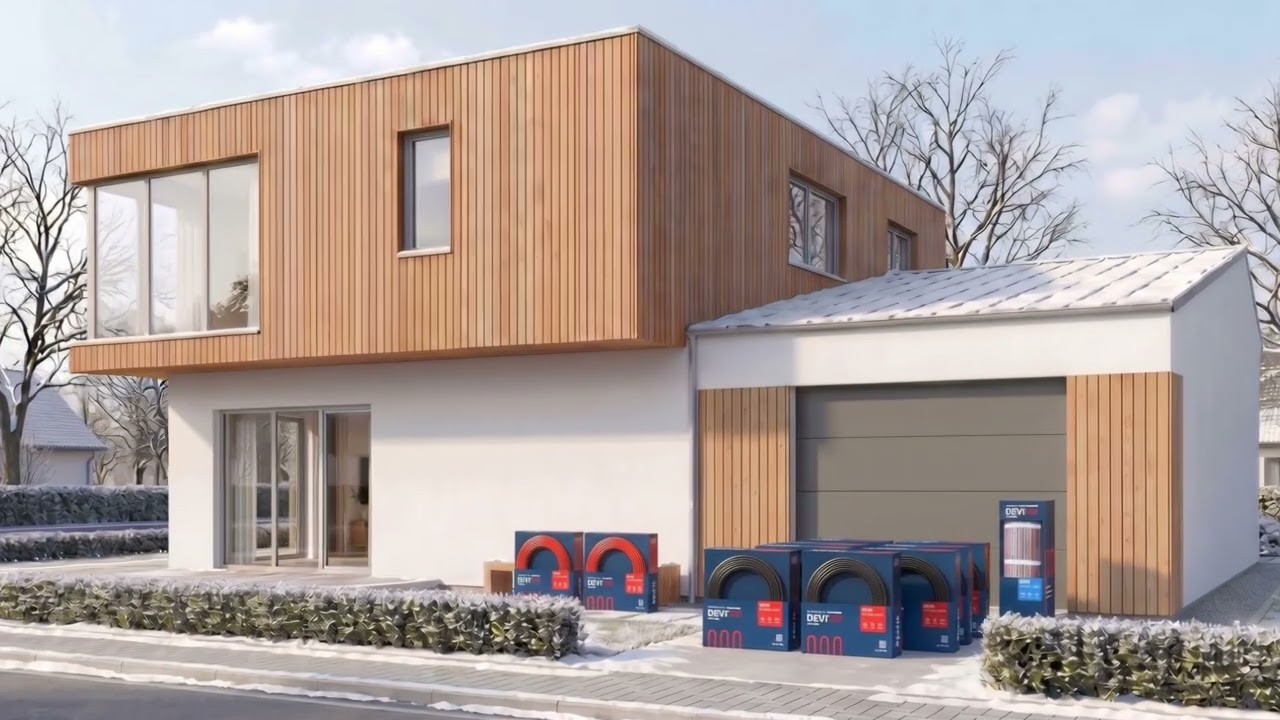
DEVI electric heating solutions for agriculture
Controlled thermal infrastructure for yield protection and livestock performance
DEVI electric heating systems provide controlled, localized thermal management to protect crops, seedlings, and livestock from cold stress, frost damage, and unstable climatic conditions. The systems are designed for precision heating in critical
agricultural environments where temperature directly affects productivity and mortality rates.
Typical applications:
• Frost protection for orchards and vineyards (root zone and trunk stabilization)
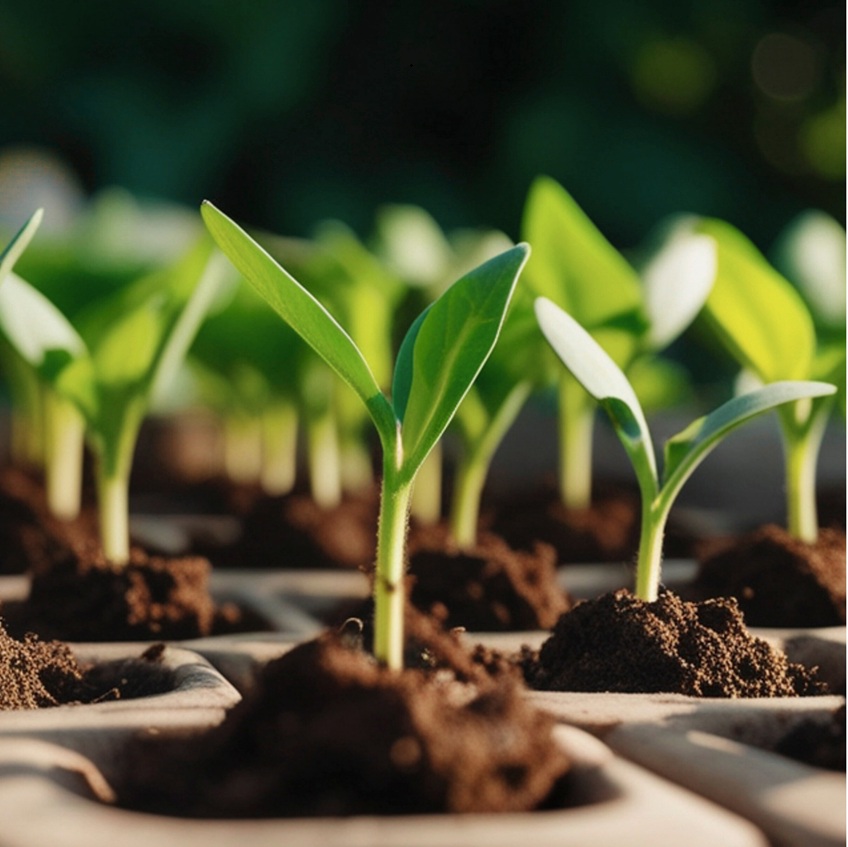
• Seed bed and greenhouse soil heating for uniform germination
• Heating milking parlours (anti-icing, animal comfort, operational continuity)
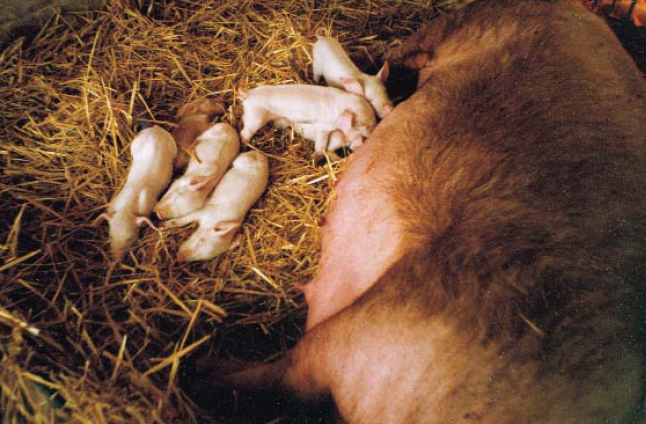
• Heating pigsties and farrowing zones (piglet microclimate control)
• Protection of young trees during early cultivation stages
Target segments: high-value crops, greenhouse operators, fruit nurseries, industrial livestock, farms, agricultural engineering integrators.
DEVI systems are based on high-performance electric heating cables embedded in soil, concrete, or protected structural zones. The system operates with automatic temperature regulation through intelligent thermostats and soil/ambient sensors.
Operating principle:
Localized heating maintains critical temperature thresholds (typically +2°C to +25°C depending on application), ensuring stable microclimate without heating entire air volumes. System design is engineered per m² load calculation, soil type, slab thickness, and climatic risk profile.

Key benefits
For agricultural owners / investors:
• Yield protection against frost-related crop loss
• Accelerated germination and shorter production cycles
• Reduced piglet mortality in farrowing systems
• Lower risk of livestock cold stress and reduced veterinary costs
• Increased operational continuity during winter conditions
• Predictable energy cost through automation and zoning
• High durability and long service life with minimal maintenance
For farm operators:
• Automated temperature control
• Reduced labour intervention during cold periods
• Improved safety (no open flame, no combustion gases)
• Hygienic embedded heating solutions
For integrators / engineering consultants:
• Modular system design
• Easy integration into greenhouse, barn, or slab construction
• Compliance with EU electrical safety standards
• Clear load calculation and documentation
- Heating of stables
The heat requirement in a stable depends on the floor, the necessary temperature in the stable, the insulation, the air humidity, and the number of animals.
The output requirement also depends on the size of the animals. In stables deviflex™ cables with an output of 17-20 W/m can be installed.
The following output values are recommended:
Chickens - 200 W/m2
Piglets - below 20 kg 200 W/m2
Pigs - from 20 to 50 kg 150 W/m2
Pigs - above 50 kg 100 W/m2
- Heating of seed beds
In order to obtain a sufficient temperature in the soil, an output of 75-100 W/m2 should be used. The output of the cable should not exceed 20 W/m, though, as there is a risk of drying the roots if the temperature is too high. To prevent the heat from going downwards, it is necessary to us e insulation sheets with a low water absorbing capacity (e.g. styrophor).
The sheets must then be covered with 0.2 mm of PE foil to protect against soakage. To control the temperature in the soil of greenhouses a DEVIreg™ 330, DEVIreg™ 610, DEVIreg™ Multi should be used. The sensor should be placed in the soil.
In green house typical root temperature lies between 15 and 25°C. In cutting beds and seed beds the temperature should be up to 30°C.
Product groups
Choose a product group to see more details and documents
Heating cables, mats and thermostats
| Product group | Seed beds | New fields | Existing fields |
|---|---|---|---|
| DEVIfiex' 10T | |||
| DEVIfiex' 18T | |||
| DEVIbasic' 10S | |||
| DEVIbasic' 20S - 230 V & 400 V | |||
| DEVIbasic' Drum Goods | |||
| DEVIreg' 316 | |||
| DEVIreg' 330 (-10 °C - +10 °C) | |||
| DEVIreg' 330 (5 °C - 45 °C) | |||
| DEVIreg' 610 | |||
| DEVIreg' Multi |
Case stories
Read about our experience in real-life solutions
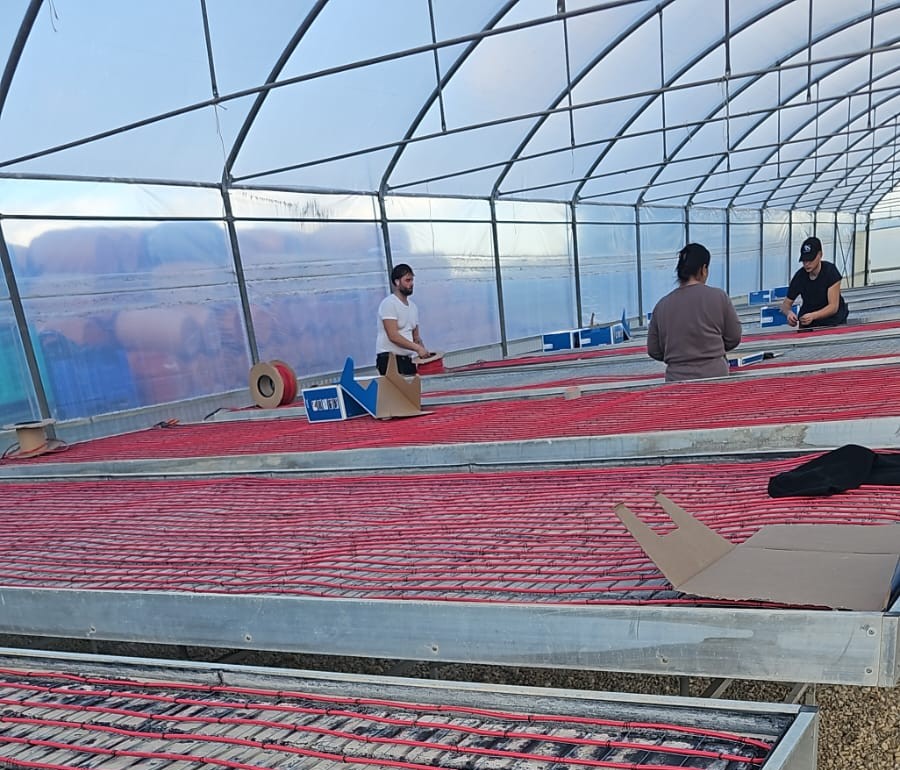
Electric heating of greenhouse Gruppo Campana
Heating of greenhouse Gruppo Campana dedicated to olive tree seedlings, Italy (Apulia region) The first wave of installation covers 10 cultivation tables. The primary goal of the system is to maintain a stable substrate temperature of +15…25 °C – a critical range for young olive plants and many other crops. Equipment: DEVIflex™18T heating cables, thermostat DEVIreg™ 330
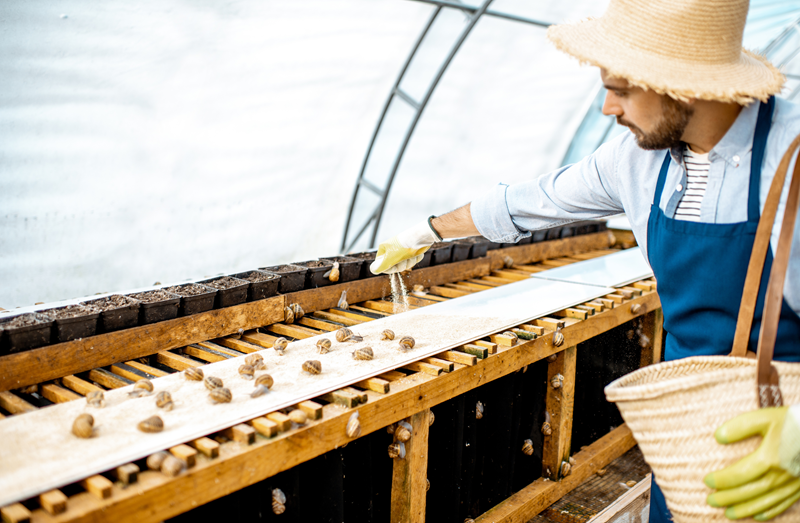
Cable heating of shelves for a snail farm, Lviv, Ukraine
Construction of a snail farm, creation of comfortable conditions by heating shelves for snail farming. Contractor: Volt-Service LLC. Equipment: DEVIflex™ 10T electric heating cable, DEVIreg™ Opti thermostat.
Atatürk Horticultural Central Research Institute, Yalova, Turkey
Heating for arranging evaluation-selection and breeding of high yielding, well adapted, disease resistant plants, seed beds heating on 2 tables of greenhouse sample – 15x1m2 each. Equipment: DEVIflex™ 10T heating cable, thermostat DEVIreg™ 535, DEVIfast™ fixation.
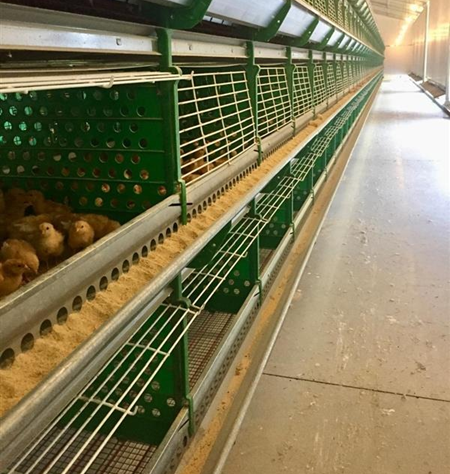
Electric heating for Poultry Company Kasulke in Brazil
Brazil Poultry Company Kasulke reduces poultry mortality with DEVI heating cables installed on the floor of cells in isolated sheds. Reduction in animal mortality rate from 2% to 0.2% in the first 30 days. Equipment: Danfoss DSIG 20T heating cable.
FAQs
-
DEVI heating cables are typically embedded at a calculated depth within soil, seed beds, propagation tables, or root zones. The installation layout is designed according to crop type, soil conditions, climate risk, and required temperature levels. Proper spacing helps maintain uniform heat distribution across the protected area.
-
Yes. DEVI agricultural heating systems can often be integrated into existing greenhouses, livestock facilities, nurseries, and horticultural operations. The installation approach depends on the available infrastructure, electrical capacity, crop requirements, and operational objectives. A site-specific design assessment is recommended before installation.
-
DEVI heating solutions are designed for frost protection in orchards and vineyards, greenhouse soil heating, seed bed warming, livestock facility heating, piglet microclimate control, and protection of young plants during cultivation. These systems provide localized temperature management in areas where temperature directly influences agricultural productivity
-
The system uses electric heating cables combined with programmable thermostats and temperature sensors. The controls monitor soil or ambient conditions and activate heating when predefined thresholds are reached. This enables targeted temperature management in critical agricultural zones rather than heating entire buildings or outdoor spaces.
-
Yes. DEVI heating systems can be designed for frost protection in orchards and vineyards, helping maintain critical root zone and trunk temperatures during periods of frost risk. The specific design depends on crop type, planting density, soil characteristics, and local climatic conditions.
-
Yes. DEVI heating solutions are compatible with programmable controls and can be integrated with certain greenhouse automation systems. This allows growers to manage temperature-sensitive cultivation processes using centralized monitoring and control strategies.
-
DEVI heating cables are designed for permanent embedding in soil or construction elements and generally require minimal maintenance after installation. Periodic inspections of thermostats, sensors, control panels, and electrical connections are recommended to ensure reliable operation throughout the growing or production season.
-
Check thermostat settings, sensor placement, electrical supply, and control system configuration. External factors such as insulation levels, soil moisture, climate exposure, and project sizing may also influence performance. If necessary, consult the project engineer or installer for a technical review.
-
Important considerations include crop type, protected area size, minimum operating temperatures, soil composition, livestock requirements, climate conditions, available electrical infrastructure, and automation preferences. These factors help determine the appropriate heating cable specification, control strategy, and system capacity.
-
System sizing is based on factors such as square metre load calculations, soil type, slab thickness, climatic exposure, and application requirements. Agricultural heating projects are typically engineered individually to match the temperature demands of the specific crop, greenhouse, livestock area, or facility.
-
DEVI agriculture solutions are designed using components that comply with applicable European electrical safety requirements and include automated control options, protective installation methods, and integration with modern farm infrastructure. Final compliance requirements may vary depending on local regulations and project specifications. (Our quality management system certification and compliances - TS 16949, ISO 14001, ISO 9001)